
Tag: remission

  • Can Living a Healthier Lifestyle Help Cure Colon Cancer?

    Can Living a Healthier Lifestyle Help Cure Colon Cancer?

    Researchers found that colon cancer patients who lived healthier lifestyles had a higher rate of staying in remission.

    Colon cancer is one of the deadliest cancers. Patient survival rates are between 92 to 11 percent within the first five years after diagnosis, depending on the stage of the cancer. But for patients who do survive and go into remission, researchers have found that living a healthier life can drastically increase the length of their remission.

    The American Cancer Society released lifestyle guidelines for cancer patients that advised maintaining a healthy body weight, exercising regularly, not drinking too much alcohol or drinking little alcohol, and eating an ounce of tree nuts twice or more weekly. After studying 1000 colon cancer patients in remission, they found that those who followed these recommended lifestyle guidelines had between a 47 to 51 percent lower risk of their cancer recurring for the next 7 to 10 years. Patients who drank more alcohol ended up near the higher end of the risk spectrum.

    This means that simply living a healthier life can cut your odds of cancer recurrence by half for about a decade if you’re in colon cancer remission. The American Cancer Society’s lifestyle recommendations are:

    • Maintain a healthy body mass index.
    • Exercise for 150 minutes total weekly. Do strength training twice weekly.
    • Eat a diet high in vegetables, fruits, and whole grains.
    • Eat 1-ounce of tree nuts at least twice a week. Peanuts and peanut butter are not considered tree nuts.
    • Limit alcohol consumption. Drink little to no alcohol.


    Other Factors That May Affect Colon Cancer Remission

    If you’d like to enjoy less risk of any form of colon cancer coming back, limit or remove red meat from your diet. Harvard Medical School says their review of research concludes that eating processed or fresh red meat increases your risk for developing colon cancer by about 33 percent.

    Why does eating red meat contribute to causing colon cancer? Researchers found that your body converts some compounds present in red meat into N-nitroso compounds (NOCs), which are carcinogens. They found that people who ate a diet rich in red meat had higher levels of NOCs in their stool, whereas people on a vegetarian diet had low levels of NOCs in their stools. The researchers then took samples of colon cells from people with high-NOC stools and discovered that the cells’ DNA was damaged. They concluded that eating red meat directly damages colon cells’ DNA. Chronic ongoing damage to DNA is a significant risk factor for developing cancer.

    The good news is that eating fresh chicken didn’t seem to increase colon cancer risk. They also found that eating fish lowers your risk for developing colon cancer by 33 percent. Also, people who ate red meat accompanied by a high amount of fiber had less levels of NOCs in their stools, but still more NOCs than the stools of people on a vegetarian diet.

    Avoid developing colon cancer and colon cancer recurrence by living healthier. Exercise regularly, stay away from red meat, enjoy a vegetarian-like diet with fish, eat more tree nuts, and stay away from alcohol. But you can also have chicken once in a while, which doesn’t seem to affect colon cancer risk unless you eat it burned or charred. If you’re going to eat red meat, then include a high amount of fiber with your meal to help lower the NOC levels in your GI tract.
  • Can This Blood Test Detect Cancer a Year Earlier Than Normal Tests?

    Can This Blood Test Detect Cancer a Year Earlier Than Normal Tests?

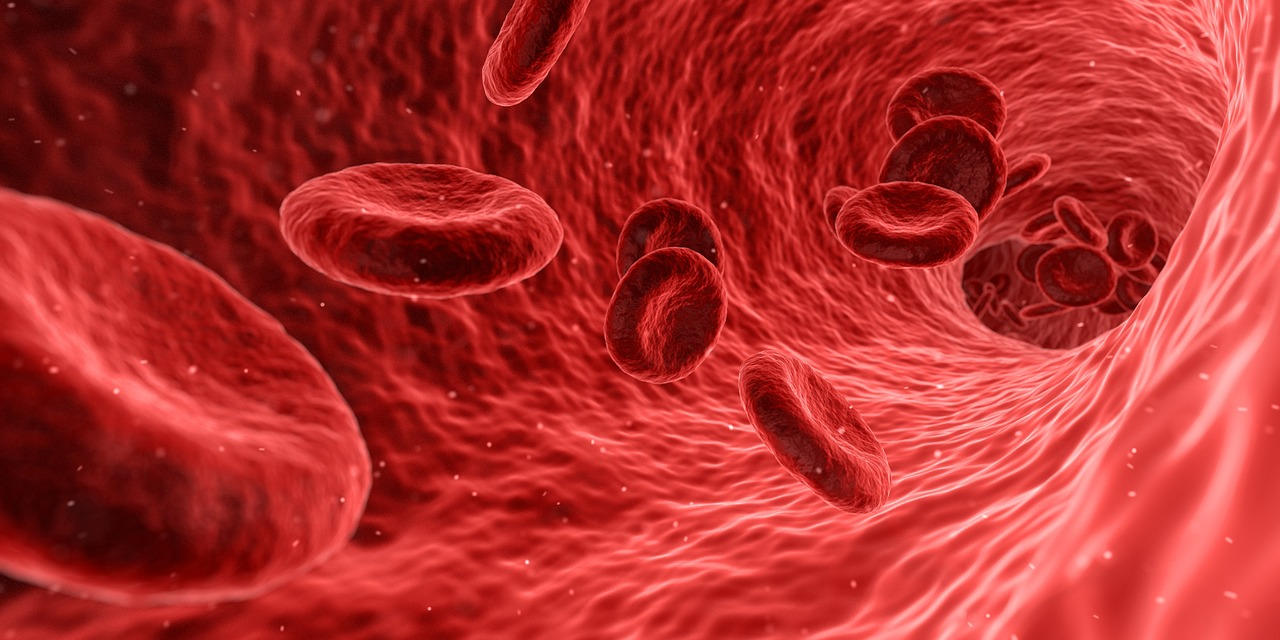
    Scientists invented a new blood test that can detect whether a cancer is recurring a whole year before any current mainstream tests can detect. In general, blood tests are non-invasive, cheaper, and easier to get done. This new method could prove to be an ideal first line of defense for cancer patients.

    If you’ve survived a form of cancer, this new research is great news for you! Researchers have invented a new blood test that can detect your cancer from recurring 365 days before X-rays, CT scans, and other current mainstream diagnostics.

    Depending on your form of cancer, recurrence can be a little or a significant worry. These researchers originally developed this new recurrence detection method especially for lung cancer patients in remission because lung cancer has about a 50 percent chance of recurring.

    They took samples from tumors removed from surgery and created a genetic profile from the cancer cells’ mutated DNA. They then drew the patient’s blood each month post-surgery and tested it for any traces of the cancer cells’ genetic profile. They found that if the cancer starts recurring, its genetic profile is present and detectable in the blood one year before the recurring cancer can be detected using current methods.

    If first caught early via this new blood test, the recurring cancer cluster is still tiny at 0.3 cubic millimeters.

    The great news is that they found this new blood test works for all recurring cancers, not just lung cancer – the key is that doctors need a sample of your cancer cells to make a genetic profile they can keep checking your blood for. But the blood test is not error-free – in the study, 13 out of 14 patients’ recurrence were detected with the blood test. That means one patient didn’t luck out and the blood test didn’t catch his starting recurrence.

    It also doesn’t work on people who’ve never had cancer. Its current usage is limited to detecting cancer recurrence in patients in remission.

    Sampling for the Blood Test Also Gives Hints on Risk of Recurrence

    While creating genetic profiles from tumors from many patients, the researchers happened upon another good find. They found that the patients who ended up with a recurrence usually also have cancer cells with more genetic instability. They concluded that recurrence is more likely if a cancer cells’ chromosomes are more favorable toward shuffling or translocating their genes.

    The researchers hope to use this supplementary finding to create drugs that stabilize cancer cells’ genetics in hopes of slowing tumor growth and overall cancer progression.

    In the meantime, patients in remission whose cancer cells’ genetic profiles exhibit genetic instability are more closely monitored for the possibility of recurrence.

    Although this new research can’t currently help diagnose new cancers, it is a significant advancement in overall cancer research. With this new blood test, patients in remission can be diagnosed and treated if a recurrence starts budding before these patients even experience any symptoms. In the grand scheme, it will certainly save many more lives from cancer.