Tag: tea tree oil

  • Is Your Hand Soap Putting You at Risk for Diabetes Mellitus? Here Are Soaps That Can Help Treat Diabetes

    Is Your Hand Soap Putting You at Risk for Diabetes Mellitus? Here Are Soaps That Can Help Treat Diabetes

    The FDA banned triclosan and triclocarban from general consumer products. They’ve been found to help cause a whole host of alarming diseases and disorders, including diabetes mellitus. The problem is that they’re popular ingredients in hand and dish soap. Here’s what you need to know, and a few alternative soaps that can actually help treat diabetes mellitus.

    Do You Know How Soap Cleans Your Hands?

    When it comes to sanitation, people become very germophobic. There’s a misconception that soap’s supposed to kill pathogens, which is what most people are misled into believing is how it clean your hands and body. But that’s far from the truth.

    If you remember back from high school science class (or in some cases, college chemistry class), soap’s main purpose is emulsification. It has parts that mix with lipids (or fats) and parts that mix with water. Lipids, like fats and oils, don’t dissolve in water, which is why they don’t really wash away when you wash your hands without soap. But soap’s lipid-friendly parts stick to these lipids when you lather. Then, when you rinse, soap’s water-friendly parts let soap dissolve partially into the water and be washed away – taking along the lipids attached to it.

    Viruses, bacteria, fungi, and almost all microbes have a lipid coating that soap sticks to, which allows it to remove them from your body when you rinse the soap off. That’s why doctors tell you to sing “Twinkle, Twinkle” while washing your hands – because you need to take that time to make sure you expose all the germs on your hands with soap before you rinse everything off.


    Then Industries Corrupted Soap, Turning It Into a Harmful Product That Can Cause Diabetes Mellitus

    Nevertheless, people popularly believed that soap cleansed you by killing microbes and washing away dirt. Industries banked on this misconception and created antibacterial soap, which most had the active ingredients triclosan and triclocarban. These two compounds had microbe-killing properties, which was a major factor that made them a popular choice for soap’s antibacterial agents. (Had because now many bacteria are immune to it.)

    But because antibacterial soaps (even dish soaps) became widespread, triclosan and triclocarban found their way into the environment after being washed down so many sinks and drains. Significant levels of triclosan have been detected in most freshwater streams. What happens when bacteria are exposed to triclosan daily? It gives them the opportunity to become immune. With so much triclosan and triclocarban saturating the environment, the bacteria strains with immunity to the two chemicals become favored for survival as the non-immune strains are killed off. And that’s how soap contributed to the rise in superbugs – which are immune to many antibiotics.

    But what effects did these two chemicals have on people? Researchers found that triclosan doesn’t just wash away with the soap – some of it is absorbed through your skin during contact, and in your GI tract when you ingest antibacterial soap residue from china and eating utensils. It has also been found in urine, breast milk, and serum, which means it can be passed from mother to child during breastfeeding.

    Triclosan mimics estrogen and has been found to increase your risk for cancer. They found that it can bind to estrogen receptors on cancer cells, and that has been found to aid in their proliferation. The researchers say that this is especially dangerous for cancers that are more receptive to estrogen, like breast cancer.

    There may also be evidence that triclosan can disrupt the endocrine system. The FDA states that these particular properties may make triclosan exposure dangerous for pregnant women and children.

    Triclosan has also been found to destroy pancreatic cells and have toxic effects on mitochondria, which can both increase risk for developing diabetes mellitus.

    What You Can Do to Protect Yourself From Triclosan and Triclocarban

    The good news is that the FDA has banned triclosan and triclocarban from antibacterial soaps. Unfortunately, triclosan and triclocarban are also found in shampoos, toothpastes, deodorants, conditioners, and other personal care products. Since these can be absorbed through your skin and mucosa lining (like in your gums), they can all lead to increased diabetes mellitus risk.

    But you can easily avoid them by actively checking the ingredients of the cosmetics you’re buying. Triclosan may also be present in tap water because it’s being detected in higher and higher levels in water resources and in farming soil. You can lower your triclosan exposure by drinking only bottled water.

    Some fish and plants have become contaminated by triclosan due to their environmental exposure. Radish, lettuce, and crustaceans seem to accumulate some of the higher levels. It’s best to wash your produce thoroughly to lower your chances of exposure. You can lower your seafood triclosan exposure by washing and cooking your fish to help remove some of the triclosan.

    Antibacterial Soap Alternatives That Can Help Prevent Diabetes Mellitus

    If your favorite antibacterial soap contains triclosan or triclocarban, there are better natural alternatives you can try that actually help prevent diabetes mellitus:

    Vinegar solution. Vinegar is a natural antibiotic with antifungal and antiviral properties as well. People have been using it to clean their homes or as a preservative for millennia. Dilute a tablespoon of vinegar in a cup of water and use it as a body wash – it not only kills germs on your skin, but has been proven to help clear acne, psoriasis, and other blemishes. If your skin absorbs any of the vinegar, it will help prevent and treat diabetes mellitus. It’s been proven to lower blood sugar levels by about 20 to 33 percent, depending on if you’ve just eaten and what you’ve eaten.

    Personal care products with tea tree oil. Tea tree oil also has antiseptic properties and has been proven to help clear blemishes. Luckily, there are many commercial natural personal care products that use tea tree oil as their active ingredient, like shampoos, soaps, deodorants, and more. Tea tree oil has also been found to alleviate symptoms of neuropathy that may arise from diabetes mellitus.

    Baking soda solution. Baking soda has also been used for millennia to clean homes because of its antiseptic properties. As the name implies, it’s also used frequently in the preparation of food. Mix a tablespoon of baking soda with a glass of water and use it as a body wash. It will help sterilize your skin of germs and also clear blemishes. If any of it gets absorbed through your skin, it also helps treat diabetes because drinking a baking soda solution has also been found to slow the progression of kidney damage arising from diabetes mellitus complications.

    Remember to be wary of cosmetics or any product that lists triclosan or triclocarban as ingredients. They’ve been found to be harmful to yourself and the environment, and can cause or worsen diabetes mellitus. Instead, opt for these natural antibiotic cleansers that can help prevent and treat diabetes mellitus.
  • 3 Natural Remedies You Can Use to Help Prevent Lyme Disease This Summer

    3 Natural Remedies You Can Use to Help Prevent Lyme Disease This Summer

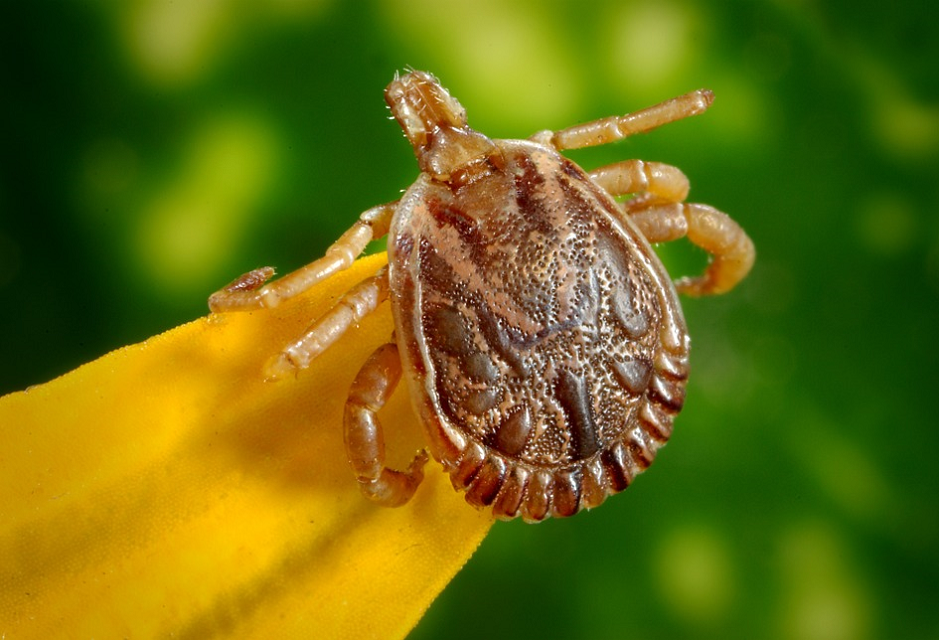
    Summer is in full swing and you should be taking advantage of all nature has to offer. But be mindful of ticks when going outdoors because they can give you Lyme Disease. Recently, their threat is greater due to their increased numbers in certain parts of the United States. Here are some natural ways to help keep ticks away from you.

    The weather’s warm and the sun’s bright rays shine for longer periods throughout the day – not many can resist stepping outside for a nice summer’s walk, jog, or hike. Don’t resist those urges because they’re good for your health. You’ll replenish your vitamin D stores and walking around in nature near trees has been found to lower blood pressure. Walking and running have also been found to add years to your life! But ticks love the summer outdoors too and they become more active and prevalent during these warm and hot days.

    Recently, tick activity in the northeastern regions of the U.S. has increased because white-footed mice have suddenly surged in population. The ticks there have multiplied generously because these hosts have become more plentiful and available. The danger is that these mice often carry the bacteria Borrelia burgdorferi, which causes Lyme disease. When ticks ingest mice’s blood carrying the bacteria, they can pass it along to the next host they feed on – like humans.

    What Is Lyme Disease and Why Is It Dangerous?

    Lyme disease can cause fever, rashes, and even worse symptoms if left untreated. Spotting Lyme disease early hinges on identifying the hallmark rash (erythema migrans) localized around the tick bite. But the rash doesn’t present in up to 50 percent of people infected with Lyme disease, which can let the disease go undiagnosed.

    If the bacteria are allowed to spread from the site of infection, Lyme disease can wreak havoc across the body, causing erythema migrans in many areas. If the bacteria reach the heart and nerves, Lyme disease can entail irregular heartbeat and facial paralysis. Other advanced symptoms include arthritis, memory loss, shooting pains, shortness of breath, and even inflammation of the spinal cord and brain.

    Although these symptoms sound scary, the good news is dying form Lyme disease is rare because even in its later stages, the bacteria succumb to antibiotics like penicillin and amoxicillin. But a small percentage of patients can have symptoms that last for months or years even after a successful course of treatment. This is known as Post-treatment Lyme Disease Syndrome or chronic Lyme disease.

    However, patients with preexisting conditions, like heart problems, are more at risk from dying from untreated Lyme disease due to the strain it puts on the organs.


    3 Natural Tick-repelling Remedies and Their Health Benefits

    You can’t get Lyme disease from food or being bitten by animals, but recent research says that it may be possible for the Borrelia burgdorferi bacteria to be passed sexually. But Lyme disease’s main mode of transmission to people remains notoriously with ticks. Fortunately, there are natural, harmless ways to prevent ticks from latching onto you when you’re out enjoying the summer season (some of these are even healthy for you!):

    1. Apply a Vinegar Solution to Your Skin

    The American College of Healthcare Sciences states that vinegar has bug-repelling properties. Mix a teaspoon of vinegar with a cup of water and apply the solution to exposed areas that are most vulnerable to contact with ticks – like your arms and legs. This natural solution’s tick-repelling properties aren’t as strong or long-lasting as toxin-containing commercial bug repellents, so you’ll have to reapply the solution each hour you’re outside.

    Applying the vinegar solution to your skin also helps cleanse and heal it, and your whole body. The Pacific College of Oriental Medicine says that vinegar coaxes toxins through your skin’s pores and helps clear blemishes, warts, and sunburns. It also helps relieve acne and psoriasis.

    If you’re worried ticks might end up in your hair and apply the solution there, the vinegar also clears your hair and its follicles and roots of any chemical buildup from cosmetic products. It also strengthens your hair follicles.

    The only drawback is that you may smell a little sour, but you can easily cover that up with the scent of soothing essential oils, which also have tick-repelling properties.

    2. Apply Natural Essential Oils to Your Skin

    The American College of Healthcare Sciences also states that lavender, basil, thyme, and peppermint essential oils have bug-repelling properties. They also smell wonderful. In fact, their scents smell so wonderful they can heal! Doctors discovered that cancer patients and other study participants who breathed in essential oils felt calmer or energized.

    Their immune systems were also boosted. It’s because when you inhale essential oils, their healing compounds enter your bloodstream through your lungs and act on your central nervous system and other parts of your body.

    But what do essential oils do when you apply them to your skin for tick protection? Studies found that they can sterilize your skin of bacteria and fungi. They may also help treat any herpes sores because they’ve been found to have antiviral activity against the herpes simplex virus.

    Mixing essential oils with your vinegar solution makes for a more powerful tick repellent with even more health benefits for your body. It will also mask vinegar’s sour smell and give your body a soothing fragrance.

    3. Apply Tea Tree Oil to Your Skin

    Tea tree oil is another natural and healthy remedy you can apply to your skin to keep ticks away. It has bug repellent properties, but also helps alleviate acne and can kill MRSA bacteria when applied to your skin. If applied to your hair, tea tree oil has been found to alleviate dandruff. Its healing topical properties make it a popular choice among cosmetic manufacturers as an active or complementary ingredient in shampoos, soaps, lotions, and other personal care products.

    You can buy tea tree oil in its pure form or a pre-made tea tree oil solution specific for skin care use.

    Enjoy the summer weather and all the health benefits being outdoors has to offer. But be aware that ticks are more prevalent in the northeastern states because of the surge in white-footed mice. They’re also more common in the Midwest and Mid-Atlantic. Since ticks can carry the bacteria that cause Lyme disease, apply these natural remedies to keep them away and to keep yourself safe. As a bonus, these remedies also heal your skin and your body!