Researchers released findings that adopting a weekly running routine will likely extend your lifespan by about seven hours per hour you run.
Running Is One of the Best Cardio Exercises Overall
When you think of cardio, running and jogging are probably at the top of your list. Why? They’re two of the easiest exercises to do. Running is also a top calorie burner – in half an hour of running you’ll burn between 350 to 550 calories, on average, depending on how fast you run. Compare that to doing gymnastics or playing competitive volleyball, which only burn between 120 to 178 calories, on average.
Unlike other cardio exercises, running is also an ideal outdoor exercise. The combination is marvelous because running in nature has been found to lower your risk for depression, relieve pain, and boost your mood. If there are trees around where you run, it’s especially good for your heart because being near trees has been found to lower your blood pressure.
If you run during the daytime (with sunscreen on), the sunlight catalyzes vitamin D production in your skin. Healthier vitamin D levels has been linked with better bone, psychological, and heart health. Higher vitamin D levels has also been linked with helping prevent developing diabetes.
How Running Lengthens Your Life
Now new research has come out that makes running regularly sound even better. Researchers found that people who run regularly enjoy a 25 to 40 percent lower risk of dying before their time is up. They also live an average of three years longer than people who don’t run regularly.
They found that every hour you run, you add seven hours to your life! They recommend running two to four hours every week to add years to your lifespan.
The sooner you add a weekly running regimen to your lifestyle, the sooner you can start adding 7 hours and more to your life. But make sure to change your running shoes after they’ve become worn to avoid developing orthopedic diseases. Doctors recommend getting a new pair of running shoes after 300 to 500 miles used. That’s about every four or five months.
Researchers found a possible substance that may significantly advance current immunization to the H1N1 flu. But you might not want it if you knew what it was – it’s frog mucus!
H1N1 – The Modern Deadly Influenza Outbreak
H1N1, commonly known as the swine flu, caused a huge panic in 2009. This strain of the flu virus isn’t a cousin of the usual flu virus strains that infect people during the flu seasons. It’s a mutated strain that’s closer genetically to the flu virus strains that infect swine (which is how it got its nickname).
What makes the H1N1 virus so devastating is that it multiplies faster than normal flu viruses and attacks other kinds of cells in the lungs that most flu viruses couldn’t target. The H1N1 strain also targets younger people, whereas the usual flu virus strains targets the frail and older generation.
H1N1 quickly became the dominant flu virus strain that infected people – pushing out the previous generation strain almost completely. In fact, by October 2009 between 92 to 96 percent of circulating flu virus specimens were H1N1.
Within about three or four months of the first few reported incidents of H1N1 virus infections in 2009, H1N1 spread globally and the World Health Organization declared it a pandemic. In the beginning there was no vaccine for the fatal flu virus strain. A total of up to 89 million people ended up infected with the H1N1 virus and over 18,366 people died form it. The H1N1 epidemic also caused up to 403,000 hospitalizations.
Frogs Might Be the Key to Better Immunization Against H1N1
Scientists are looking closely at a specie of southern India frog that’s as big as a tennis ball. They found that the mucus these frogs secrete on the surface of their skins contains a chemical that targets a specific protein on all H1 strain viruses.
When the frog mucus chemical, called urumin, comes into contact with an H1-type virus, it attacks an integral protein that causes the virus to fall apart. Scientists were shocked that urumin works on all H1-type flu virus strains going back from 1931 to the present H1 strains in circulation.
Of course it’s too soon to celebrate. This is cutting-edge research that will take years before a safe human application is developed. They’re going to start testing urumin-based treatments on ferrets first, then move on to clinical trials later on.
The good news is that insofar, urumin seems to be non-toxic to human cells. But only time and more testing can tell whether it’s completely safe for human application.
Flu Prevention Tips
In the meantime, if you’re at risk for being significantly harmed should you contract the flu, then it’s best to get the flu vaccine. Doctors say the flu vaccine is the best effective method to prevent influenza infections. But vaccines have side effects, and the flu vaccine is no exception.
If you’re not at risk for significant harm from an influenza infection, you can lower your risk of infection by taking a few supplements. There is an age-old debate around whether vitamin C and zinc can prevent colds and flus – some research says no while others say yes. Doctors do agree that vitamin C lowers the severity and length of a cold or flu infection. The same goes for zinc.
Vitamin D has also been correlated with cold and flu infection. Researchers found that when a population’s vitamin D levels are lower, there’s an increased prevalence of cold and flu infection. There’s some evidence that taking 50,000 IU of Vitamin D3 once can shorten the length of the flu to only two or three days. They also found that taking 600 IU of vitamin D3 daily can help prevent colds and flus.
Until the frog mucus treatment comes out, take these three supplements (zinc, vitamin C, and vitamin D) to boost your protection against the flu and cold.
You probably think that protein powders are just for body builders right? Nope! In fact, doctors found that they’re great for losing weight. Instudies, participants who took whey protein had lower insulin and glucose levels and boosted muscle growth. High insulin and glucose levels are signs of insulin resistance (which can lead to diabetes), so it seems whey protein can help protect or delay development of diabetes. This also means thatwhey protein may boost your glucose metabolism, since researchers found less sugar in the participants’ bloodstreams.
The good news is,researchersalso found that it doesn’t seem to matter what kind of protein powder you take – they found no notable differences between participants who took whey protein and those who took rice protein for eight weeks.
If you’re interested in trying protein powder for weight loss but feel overwhelmed with all the different choices. Here’s a little breakdown on some different kinds of protein powders and their health benefits:
Animal-based protein powders (casein, whey)are completeand give you all the amino acids your body needs to make your proteins that carry out your essential life processes. But, animal-based protein powders can also have high fat and cholesterol content, which isn’t good for your health. Vegetable-based protein powders (soy, rice) are incomplete and you’ll need to take more than one type daily to get all the amino acids you need for daily life.But doctors recommend vegetable-based protein powders over animal-based protein powders because they’re a cleaner source of protein and don’t put risk on your cardiovascular system. The only drawback is you’ll have to take more than one kind.
Casein Protein Powder
Casein protein powder
Researchers say that if you’re trying to build muscle, casein is the best protein powder to boost your protein production for the long term. It’s because its structure forms a natural, slow-release clot in your stomach, which sends a continuous supply of amino acids into your bloodstream for many hours. If you work out after taking casein, the steady supply supports your muscles throughout your workout, whichhelps you endure longer and helps lessen muscle damage.
From a weight loss perspective,casein’s slow release gives you energy throughout the day, which keeps you feeling full and sated. This means you’ll be less likely to snack or eat when you don’t need to.
If you’re only taking casein to lose weight, you should buyOptimum Nutrition’s 100 Percent Casein Powder. It’s very high quality and economical at about $50. It should last you two or more months. It’s also vanilla-flavored (without adding calories), so it makes it fun and easier to drink.
Whey Protein Powder
Whey, like casein, comes from cow’s milk. It’s also a complete protein that gives you all the amino acids your body needs. It’s not as great at casein at helping you build muscle and lose weight because it doesn’t have the same slow-release properties. That means when you take it, it’ll overwhelm your system for a short period with a burst of protein that your body either uses or stores as fat – depending on whether you work out immediately or not. Because of this, it won’t keep you full throughout the whole day because your body processes all the protein at once.
If you’re lactose intolerant, whey may cause a reaction similar to milk.Experts advise those with lactose intolerance to take the isolate form, likeIsopure’s zero-carb 100 percent whey isolate protein powder. Whey isolate protein powders are lactose-free. But the trade-off is that isolate powders aren’t as effective and won’t deliver the same quality protein.
If you’re diabetic,whey protein has also been found to stimulate insulin production.Researchersfound thattype 2 diabetic patients who took whey protein experienced better management of blood sugar levels.
Egg White Protein Powder
Egg White Protein Powder
Egg white protein powder is another great alternative if you’re lactose intolerant. Like other animal-based protein powders, egg white protein powder is complete, giving you all the daily amino acids your body needs.Researchersfound that female athletes who supplemented with egg white protein experienced an increase in their resistance muscle strength.
But if you’re allergic to eggs, egg white protein might cause reactions. Of course, egg white protein isn’t as effective as casein for weight loss and muscle building.
Unlike most vegetable proteins, soy is complete!It might not be as effective as casein in helping you build muscle and lose weight, butit’s better for your heart and has even been found to directly lower your risk of breast cancer. All vegetable proteins have been found to lower your fat and cholesterol levels. In fact,researchersstudied participants who supplemented with casein versus participants who supplemented with soy and found that the soy group had better overall cholesterol profiles.
If you’ve already got cardiovascular problems or are in poor health, soy protein powder is your healthiest and safest choice because it helps your heart and protects you from cancer. It might not help you lose as much weight as casein, but it still helps as well as most protein powders.
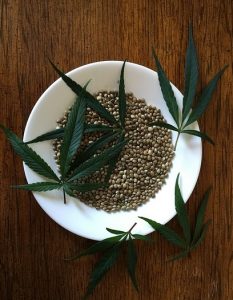
Researchershave found many health benefits from supplementing with hemp proteins. The protein powder may derive these benefits too. Like soy, researchers found that supplementing with hemp leads to better cardiovascular health. In particular, they found thathemp lowers blood clots, which is a huge risk factor of many cardiovascular problems. They also found thatsupplementing with hemp helps the heart recover after an attack.
Researchersalso found that rats with kidney disease who were given casein didn’t see improvement. But, rats with kidney disease given hemp or soy protein had smaller kidney cysts with less fluid and their hearts were less enlarged. They concluded that supplementing with hemp or soy protein protects your kidneys, unlike supplementing with animal-based proteins.
Hemp protein powder could also give you more of an energy boost and improve your immune system.Micewho were supplemented with hemp protein for about two months experienced longer swimming times and an increase in their immune cell count.
If you take hemp protein powder, you’ll be lacking some essential amino acids, which means you’ll have to eat nuts or seeds everyday to get the complete amino acids your body needs. It’s not going to get you as much muscle and make you feel as full as casein or whey, butit will protect your heart and kidneys and boost your immunity.It’s a clean protein that’s definitely healthier but with less effectiveness.
You should chooseNutiva Organic Hemp Proteinbecause not only is it GMO-free, but it’s also got high fiber mixed in. The fiber fills you up, which means you’ll eat less. This helps keep you from overeating and snacking when you shouldn’t.
Pea Protein Powder
Pea protein powder
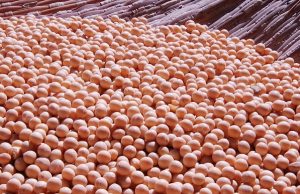
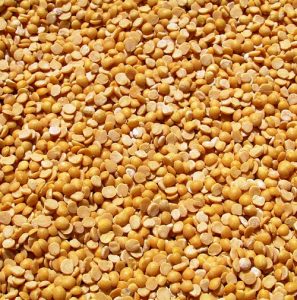
Pea protein powder is another clean vegetable-based protein source.Researcherscompared casein with pea and found thatpea protein stops your liver from making fat and also lowers your blood fat and cholesterol levels more than casein does.
The good news is,researchersfound thatpea protein powder is as effective as whey protein powder in helping increase your muscle thickness during resistance training. They compared athletes who supplemented with pea protein powder and those who supplemented with whey protein powder and didn’t find any significant difference between muscle thickness increase in the two groups.
One of the best pea protein powder choices isOrgain’s Organic Plant-based Protein Powder. It’s a mix of gluten-free, organic, GMO-free hemp, pea, and seed proteins. That means you’re sure to get all your essential amino acids from such clean, pure vegetable sources. It’s also got cocoa for flavoring so you’re sure to enjoy drinking it.
Rice Protein Powder
Rice protein powder
You’re thinking rice is carbs – what exactly is rice protein? When rice is processed into commercial white rice, the rice bran is separated out. Rice bran has a higher amount of protein than rice grains and is what’s used to make rice protein powder.
If you think rice protein powder is far less effective than “real protein,” like animal-based casein and whey,researchershave found differently.They found that rice protein powder is just as effective as whey and casein at delivering protein to your body.But keep in mind that rice protein powder is not a complete source of protein. You’ll have to supplement your diet with nuts and seeds to get your full amounts of daily vital amino acids.
Rice protein powder is evenbetter than caseinfor helping you lose weight! Researches found that taking rice protein boosts your fat metabolism considerably.Rats fed rice protein for two weeks had lower lipid and sugar levels in their blood than rats fed with casein.
Casein is the best protein powder if you want to build muscle.
If you’re lactose intolerant and your goal is to build muscle, you should take whey protein isolate.
For holistic health and weight loss:
Choose vegetable protein powders because they help prevent diseases. Animal-based proteins can boost your cholesterol levels.
Hemp protein powder gives you more energy and boosts your immunity and protects your kidneys.
Pea protein powder lowers your cholesterol and fat levels in your blood better than casein. It’s also as effective as whey when it comes to increasing your muscle thickness with resistance training.
Rice protein powder boosts your fat burning and lowers your blood sugar and fat levels better than casein.
It seems like the best protein powder for weight loss isrice protein powder, since there’s evidence it trumps casein when it comes to boosting your metabolism.
But weight loss is situational. If the reason you can’t lose weight is because you can’t resist snacking, then casein protein powder would be best for you since it keeps you feeling full for a longer period of time. If your work is hectic and you don’t have enough energy to work out, then hemp protein powder or casein protein powder are your best bets since they’ll give you energy to work out. Remember thatNutiva Organic Hemp Proteinis also high in fiber, which means it’ll help keep you full while energizing you for your workout.
But remember that all protein powders help you lose weight better than not supplementing with protein powders at all. If you’re obese or suffering from health problems, you should go for any vegetable protein powder and skip the animal-based protein powders altogether. It’s better to lose less weight but protect your body than to put your suffering health at risk by taking animal-based protein powders. You’ll lose weight more slowly but these protective vegetable-based protein powders will be healing your conditions and protecting you from further disease. It’s better to sacrifice pounds you could’ve lost for a healthier heart, kidneys, and immune system.
Halloween, Thanksgiving, Hanukkah, Christmas, and Valentine’s Day – it seems like all major holidays have one thing in common: eating a lot. This is especially true for Halloween, which is more popular for children and young adults. But researchers found that children are at greater risk of getting cavities, which is the most common infection of early childhood.
You don’t have to ruin your kids’ fun. If you take their treats away or tell them to stop eating the cake, you’ll dampen the holiday spirits and have your loved ones spite you. As a good parent, you should be the bad guy if it’s good for them and there’s no other choice. But what if there are ways you could let your kids eat all they want on holidays without endangering their teeth? You’re in luck – here are a few – and the best part is, they’re all about eating yummy foods:
Protect Your Children From Cavities By Feeding Them These Yummy Foods
Cheese! Finally, an excuse to eat pizza. Experts found that eating cheese boosts your saliva’s calcium levels. They found that the more calcium around your teeth, the more they’re protected from cavities. If bacteria start making holes in your kids’ teeth, the calcium around them helps plugs them right up! So have a pizza night or lasagna dinner after you get home with your kids on Halloween. When you’re enjoying the holidays with your family, make sure you give your kids a helpful serving of whatever cheese dish is there. You could also hand your kids some healthy cheese snacks while they’re trick or treating. Most children love eating cheese, so they’ll happily snack on it and you’ll be happy their teeth are being protected. Try pure cheese without any additives, like Igourmet’s high quality pure cheese, because they’re healthier than junk food brands that have sugar or chemicals added.
Raisins. Researchers found that rasins are high in healthy polyphenols and flavonoids, which help fight cavity-causing bacteria. Some dentists disagree. But you can agree that raisins are certainly healthier than sugar-filled junk treats that have not been found to help your teeth at all. A box set of classic Sun Maid Raisins is cheap and in snack-packaging. You can bring some along when you go trick or treating or traveling for the holidays with your children and hand one to them while they’re snacking.
Xylitol lollipops. Dentists found that xylitol actively protects your teeth from cavities. Dr. Shawn Frawley, practicing dentist in Beverly Hills, recommends you eat or chew on xylitol candy three to five times a day if you’re using it for cavity protection. Make sure the candy is sugarless, or it will undo xylitol’s protective effects. You can buy your children sugar-free, xylitol lollipops and happily hand some to them while trick or treating or out with them for the holidays. It’s best to choose xylitol lollipops that are GMO-free, gluten-free, and dairy-free (like Pro-Sys’s sugarless xylitol lollipops) because they have a very low chance of causing food allergies or contain carcinogens.
Xylitol Chewing Gum. Sugar-free xylitol gum is actually better than other xylitol candies because you’ll be chewing it for longer and you’ll be getting all that xylitol all around your teeth as you chew and chew. Gum also promotes saliva production, which also fights cavities. Although sugarless gum is often yucky, you can buy sugar-free xylitol gum with different fruit flavors, which your kids will more likely find a liking to.
Don’t ruin the fun! Offer your children these cavity-fighting snacks instead, and let them go to town on the holidays’ sugary goodies. It’s only one day, and their childhood only lasts once a lifetime – so if there’s a way to let them have fun without harm, then go for it! Remember to make your children brush their teeth afterwards though – these healthy snacks can’t keep that bad bacteria from growing indefinitely. Brushing your teeth is the best, non-physician required way to really protect yourself from cavities.
Valentine’s Day is hallmarked by the giving of chocolates to your romantic interest. Medical and scientific research reveal that gifting chocolates is not simply an act of affection. It turns out that regularly consuming chocolate prevents cardiovascular disease, promotes weight loss, and aids in meditation. Chocolate is no longer a junk food – to the contrary, it’s a holistic treat that supports the mind and body.
Chocolate was first introduced into Europe soon after Spanish conquistador Hernando Cortés came upon the Maya and Aztecs and observed them preparing cacao drinks. Writings from 1556 contain a passage written by an anonymous Spanish conquistador describing how cacao seeds are ground into powder and mixed methodically to create a foaming liquid.
This [foaming] drink is the healthiest thing, and the greatest sustenance of anything you could drink in the world, because he who drinks a cup of this liquid, no matter how far he walks, can go a whole day without eating anything else.
Of course the original Mayan and Aztec cacao drinks didn’t contain sugar and the tasty additives of modern-day chocolate products. Even so, what that conquistador wrote half a millennium ago is surprisingly true of cacao and today’s dark chocolate products according to scientific experts and physicians.
Dark Chocolate Is Good for Your Heart
Regularly consuming dark chocolate increases artery flexibility while also decreasing blood vessel leukocyte adhesion. Arterial stiffness and long-term buildup of white blood cells stuck to blood vessel walls are two significant factors in atherosclerosis.
In fact an 11-year study revealed that people who regularly consume up to 3.5 ounces of chocolate daily experience a 5.4 percent decreased risk of developing cardiovascular disease.
Furthermore according to Professor Larry Stevens of Northern Arizona University, dark chocolate is a vasodilator and regularly consuming it lowers blood pressure for the long term. According to findings by Louisiana State University, one explanation for this is that your gut bacteria convert cacao into compounds that protect blood vessel cells from stress and reduce inflammation.
Chocolate Helps You Lose Weight
Regularly munching on any kind of chocolate, regardless of cacao content, leads to weight loss. Research by Dr. Beatrice Golomb, an associate professor of medicine at the University of California, San Diego revealed that people who ate chocolate five times a week experienced weight loss without an increase in physical exercise. She states that a “5-foot tall woman weighing about 120 pounds… was likely to be about five pounds lighter if she was a frequent eater of chocolate.”
According to Joshua Lambert of Penn State University, one factor contributing to chocolate’s weight loss effects is that some specific polyphenols found in cacao may inhibit pancreatic lipase, which is the enzyme responsible for digesting dietary fat. Thus, these polyphenols could be preventing the fat in commercial chocolate from being digested and absorbed into the body.
Another contributing factor included in Louisiana State University’s findings is that your gut bacteria convert cacao’s fiber into short chain fatty acids, which make you feel full after you absorb them.
Chocolate Helps You Meditate
Chocolate Mindfulness meditation is an increasingly popular kind of meditation. It involves making you more aware of your senses by taking a piece of chocolate and deeply inhaling the chocolate’s aroma, staring at the chocolate and examining it deeply; and finally placing the chocolate into your mouth and trying to notice each one of its 300 flavors while playing with it with your tongue and allowing it to melt. Then you repeat the process until all the chocolate is consumed, and while doing so you’re gently keeping your mind focused on the chocolate, shepherding your focus back when it wanders away.
Professor Stevens’ research sheds light on why this meditation technique is effective. He conducted a study involving 122 participants between 18 to 25 years old consuming confection containing 60 percent cacao. Brain activity was monitored via EEG and blood pressure was recorded.
When we asked him via email, he responded that the 60 percent cacao group experienced an increase in alpha brain waves, which is one of the desired meditative states. The group also experienced an increase in beta brain waves. He stated that increasing alpha and beta waves should produce “a more alert, attentive, and calm state.” Being calm but attentive is key for meditation.
However the participants experienced a short-term increase in blood pressure when consuming the 60 percent cacao. The 60 percent cacao confection still lowers blood pressure in the long-term, but the short-term increase in blood pressure might be troubling for some people, like those with hypertension.
Thus, Professor Stevens introduced an amino acid naturally found in green tea, L-theanine, which lowers blood pressure, to the confection and administered it to another group of participants. This group experienced an immediate drop in blood pressure rather than the short-term increase experienced by the 60 percent cacao group.
He reports in his email that this 60 percent cacao plus L-theanine group also experienced “a slight increase in alpha [waves] over that of the 60 percent cacao only [group].”
He states that theoretically, a mixture containing L-theanine and 90 to 100 percent cacao should further increase the desired brain waves to produce a more powerful attentive and calm state. He’s looking forward to conducting future studies involving higher-content cacao and L-theanine.
Thus, consuming a mixture of L-theanine and 60 or more percent cacao can aid in meditation by facilitating your transition into a calm but alert state.
However, Professor Stevens also hopes that a high-content cacao chocolate bar containing L-theanine will become a mainstream healthy alternative to coffee due to its attention-increasing and blood pressure lowering properties. He states, “A lot of us in the afternoon get a little fuzzy… so we could have a higher cacao content chocolate bar and it would increase attention.”
When you give your love chocolates this Valentine’s Day you’re protecting their hearts and waistlines, while enriching their mind. Conversely, if you’re receiving chocolates their health benefits should keep you from feeling guilty about enjoying them. It’s even better if you’re making your own gift chocolates because you can add L-theanine to them to add more blood pressure-lowering and mental therapeutic effects.
According to the CDC, approximately 70 percent of Americans are either overweight or obese. If you’re fighting the tide by going on a diet, make sure you educate yourself first. You might feel compelled to avoid sugars and carbs at all costs — but doing so could seriously harm your body. Carbohydrates are essential for your hormones and muscle building and maintenance.
Your muscles are made up of protein, which are composed of only 20 amino acids. Your body uses carbohydrates to produce 10 of these, called nonessential amino acids. Your body can’t produce the other 10 (essential amino acids), so you get them from eating protein. Your body also needs these 20 amino acids to synthesize enzymes and hormones which regulate most of your bodily functions, from temperature regulation to fat breakdown.
Fat can’t be converted into the nonessential amino acids you need. Although not eating carbs rushes your body into burning fat, burning fat gives your body energy, not protein. Your body will then break down your muscle to get protein to make amino acids. Thus, not getting carbohydrates will result in muscle loss. This is worse if you’re simultaneously exercising and dieting; your body won’t be able to repair your muscles post-workout, leaving you sore and weak.
You might consider eating protein to replace carbs. Fitness experts advise against this for two reasons. If your protein source is meat, you’ll be increasing your cholesterol, which is dangerous long term. If your protein sources are zero-carb protein shakes, your body still won’t be able to fully repair or build muscle without carbohydrates.
Losing weight is great if you’re overweight. Make sure to eat foods with slow-burning carbohydrates, like blueberries or red potatoes. Your body needs carbohydrates to build your muscles, enzymes, and hormones. Some amino acids require carbohydrates to be synthesized; because of this and the high cholesterol involved, a meat-only diet is even more harmful than a no-carb diet.
Twenty percent of Americans have or will develop some kind of skin cancer. Sun exposure is the major cause of skin cancer — but does playing safe and staying out of the sun mean you can’t ever have that sexy bronze tan? Nope! All you need to do is eat these veggies and that bronze tan will naturally be yours.
The secret is in the carotenoids. Carotenoids are antioxidants which protect your cells from oxidative damage. According to the National Institutes of Health, carotenoids decrease your risk for many diseases, including cancer and opthalmologic diseases. The magic happens when you eat enough of these miraculous compounds, which get stored in the fat close to your skin’s surface — giving your skin a healthy bronze glow.
In fact, studies involving university students supplementing their daily diets with extra servings of beta-carotene-rich foods experienced increased skin pigmentation (tanning) after a few months. These are some of the foods that do the trick:
Carrots, Tomatoes, Cantaloupe, and Sweet Potatoes. Sweet potatoes, cantaloupes, and carrots are rich in carotenes.
Spinach and Kale. Dark leafy greens like kale and spinach are rich in beta-carotene.
Salmon or Astaxanthin Supplement. The carotenoid astaxanthin is responsible for salmon’s pink color. It’s such a strong carotenoid that it provides more UV protection than vitamins C, E and CoQ10. Consuming a concentrated astaxanthin supplement will quicken your skin’s bronzing, over time, and protect you from the sun’s UV rays – like a natural sunscreen.
Of course, unlike spray tanning or a day at the beach, this healthy, safe tanning method won’t deliver results overnight. But you can have your sexy, bronze tan without the risk of developing skin cancer just by eating carotenoid-rich foods.
Science and medicine switch between opposing opinions when it comes to many things. Eggs were deemed bad not more than 40 decades ago, but now, physicians regard eggs as one of the best nutritional sources. The importance of exercise has withstood the test of time, and physicians still recommend people do it on a daily or weekly basis. But now, scientists and doctors are saying outdoor aerobics might be the best kind of exercise.
According to Harvard University, regular physical activity reduces your risk of strokes, diabetes, and heart ailments. In fact, each hour of brisk walking you do leads to a 34 percent decreased risk of diabetes. Harvard also finds that aerobic exercises, such as walking, hiking, or running, improve your intelligence and memory. Routinely performing these activities enlarges the hippocampus, which is largely responsible for your learning and verbal memory. Unfortunately, exercises that focus on toning your muscles, increasing strength (like weight lifting), or improving balance, don’t have the same benefits.
Doing your aerobics outdoors offers more health benefits than doing them at the gym. Your skin’s exposure to sunlight causes Vitamin D catalysis; indoor lights do not. Spending time in nature also increases your attention span. Children exhibiting ADHD have longer attention spans subsequent to spending some time in nature. Being surrounded by nature will lessen your anxieties and such stresses as fear and anger, while simultaneously boosting feelings like joy, love, and gratitude. A study showed that 95 percent of subjects feeling sad, nervous, or stressed felt peaceful and equilibrated after being immersed in nature. Spending time in nature is correlated with having better moods, becoming invigorated, feeling meaningful, and experiencing better psychological health.
Running, walking, or hiking in nature also betters your physical well being. A University of Minnesota article states that physically being surrounded by nature lowers stress hormone levels such as cortisol, which in chronic, elevated levels has been found to atrophy the hippocampus. Spending time in nature also lowers “blood pressure, heart rate, [and overall] muscle tension….” It also is believed to increase longevity, and is said to raise pain tolerance. A famous study found that patients immersed in nature were more resilient to pain and had shorter in-patient hospital stays.
So if you’re not much into exercising, or don’t have the time for it, choose outdoor aerobics over indoor strength training. You’ll be exercising both your heart and your brain. And do yourself a favor and go outside for a jog. You’ll save on the electricity your digital treadmill would have spent, while getting the emotional and mental benefits nature is there to provide.
When you think of fatally poisonous animals, surely large snakes and black spiders with bad tattoos flash through your mind. However, did you know that the box jellyfish, Chironex fleckeri, is in the top 10 of earth’s most venomous creatures? Its venom can kill a person within 15 minutes. A swarm of them almost stopped pro swimmer Diana Nyad from completing her swim from Florida to Cuba. Even if you don’t swim near the Indo-Pacific waters, be aware of balloon-like objects in the water around you when going to the beach this summer.
Avoiding jellyfish and protecting yourself from being stung
You can reduce your risk of getting stung by jellyfish if you swim at beaches manned by lifeguards. Lifeguards often raise a purple flag or verbally announce warnings when jellyfish are present in the immediate surrounding waters.
Most jellyfish, except for the box jellyfish, are immobile and simply float in the sea carried by waves and the wind. Out of abundance of precaution, don’t swim if the wind is blowing from the sea toward the shore since there’s a higher likelihood that jellyfish are being carried toward the shore.
While swimming, stay a few yards away from balloon-like transparent objects near the surface of the water. Jellyfish tentacles, which house their stinger cells (nematocysts), are long and can extend many feet away from their main balloon-like body.
Full-body swimsuits can protect you from most jellyfish stings. However, Portuguese man o’war’s stingers can penetrate rubber suits. Special topical sprays can prevent nematocysts from firing when making contact with your skin — Diana Nyad used one of these to successfully protect her bare skin from box jellyfish during her Florida-Cuba swim.
What to do if you’ve been stung
Jellyfish stings leave a painful, burning, stinging sensation. Don’t follow your initial reaction to run cold freshwater over the wound. Jellyfish are native to the sea, and their nematocysts are comfortable in seawater. Any nematocysts on your skin which haven’t fired their stingers might fire them if bombarded with shocking, unfamiliar freshwater. Wash the wound with seawater instead, then flush and soak it profusely with vinegar, isopropyl alcohol, or other disinfecting agent for 10 minutes.
After killing the nematocysts with disinfectant, remove any jellyfish tentacles still on your skin. Don’t try to remove them with bare hands before disinfecting since any unfired nematocysts will simply sting your hands – but you’re best off using tweezers.
Soak the wound in hot water for half an hour to relieve the pain. You can also use cold packs, papaya fruit paste, and citrus juice.
If you’re allergic to jellyfish venom, have epinephrine shots and antihistamines available. Get emergency medical help immediately if you start experiencing difficulty breathing, extreme inflammation, or other signs of severe allergic reaction.
Don’t let jellyfish ruin your summertime beach fun. Avoid getting painful stings by staying away from balloon-like objects in the water and not swimming when you see the lifeguard’s purple flags or when you see that the wind blowing from sea to shore. If you do get stung, treat the wound with seawater and vinegar, not tap water!
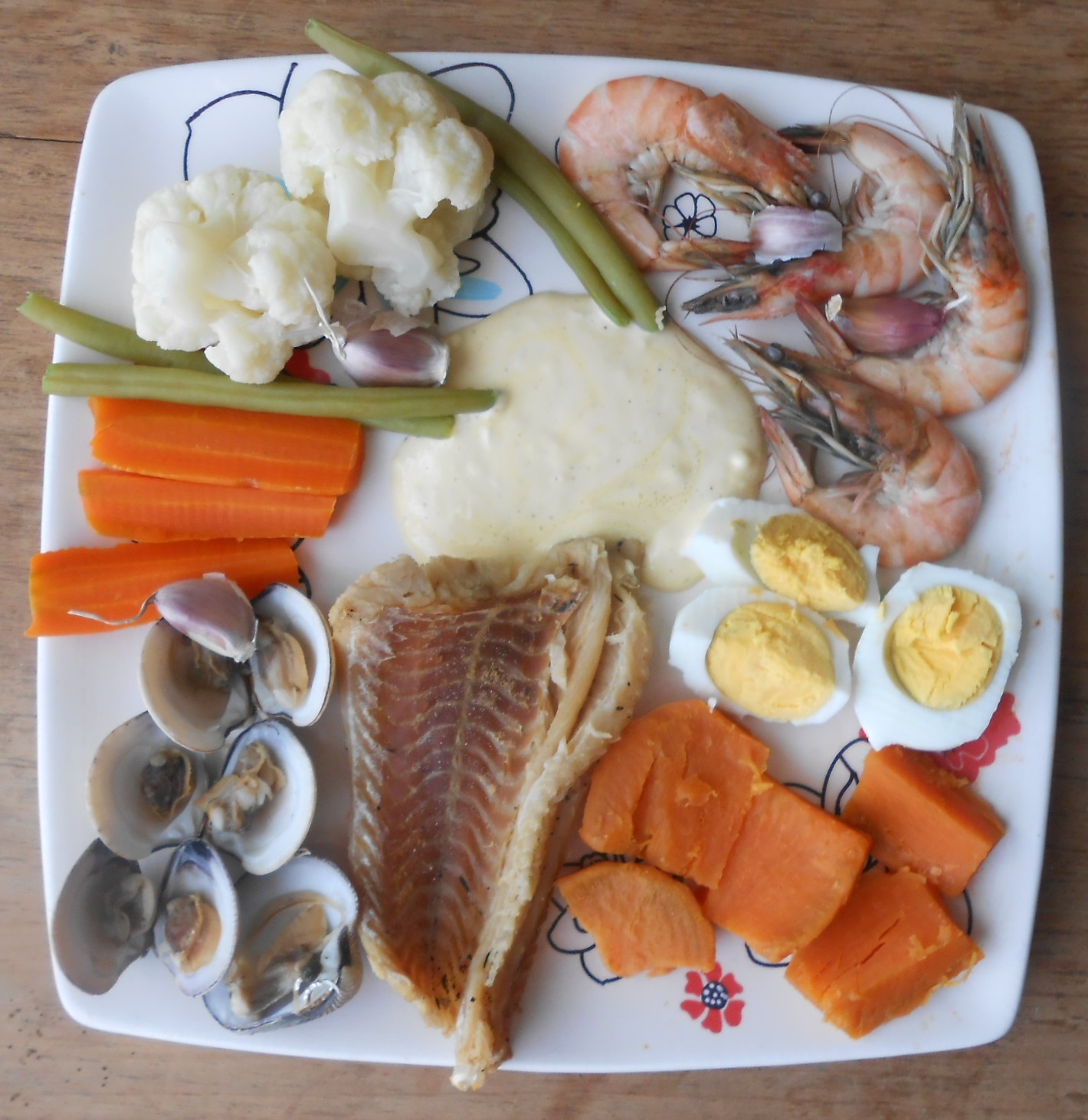
If you eat seafood frequently, you should consider upping your selenium intake. Most seafood is contaminated by mercury from commercial waste or has naturally absorbed it from its environment. Not only can selenium counteract mercury poisoning, but it’s also important for certain bodily functions. Increase your selenium intake by eating seafood containing high levels of selenium, or take a daily supplement.
The National Resources Defense Council lists seafood by mercury content. Although the lowest mercury seafood category seems to contain harmless levels of mercury, recent research discovered that bodily mercury levels deemed safe can cause autoimmune diseases which are among the top 10 causes of death for women.
The good news is, since mercury is attracted to the selenium in your body, the selenium neutralizes mercury by binding to it. Your body normally uses selenium to produce antioxidant enzymes, which aid in preventing cancer and heart disease, support your immune system, and regulate thyroid function. But when too much of your selenium is tied up with mercury, your body won’t have enough left to produce your daily amount of antioxidant enzymes.
Selenium deprivation could lead to serious health problems. Studies involving rodents deprived of all their selenium via intentional mercury poisoning experienced thyroid hormone disruption. Newborn rodents experiencing thyroid hormone disruption developed permanent neurological damage.
How can you increase your daily selenium intake? You can eat selenium-rich seafoods like young albacore tuna (63 mcg per 3-ounce serving) and cod fish (32 mcg per 3-ounce serving). The adult recommended selenium dosage is only 55 mcg, but keep in mind that selenium-rich seafood contain mercury too, so you’ll end up with less selenium.
The purest selenium source you can take daily is through a supplement. These are relatively inexpensive, but experts debate their efficacy in raising blood selenium levels. Some studies show that eating just two Brazil nuts daily raises blood selenium levels by 5 to 10 percent more than a selenium supplement.
Given these studies, Brazil nuts are an equally good and far cheaper source of selenium (approximately 544 mcg per 1-ounce serving) than are supplements. They’re even safer to eat than selenium-rich seafood, since they aren’t usually contaminated with mercury.
Seafood lovers beware: safe low levels of mercury (like those in seafood) can still cause autoimmune disorders. You can protect yourself by increasing your selenium intake via eating selenium-rich seafood, Brazil nuts, or a daily supplement.